Unexpected Toothache or Broken Tooth? When to Call an Emergency Dentist in El Monte
Allure Dental Arts
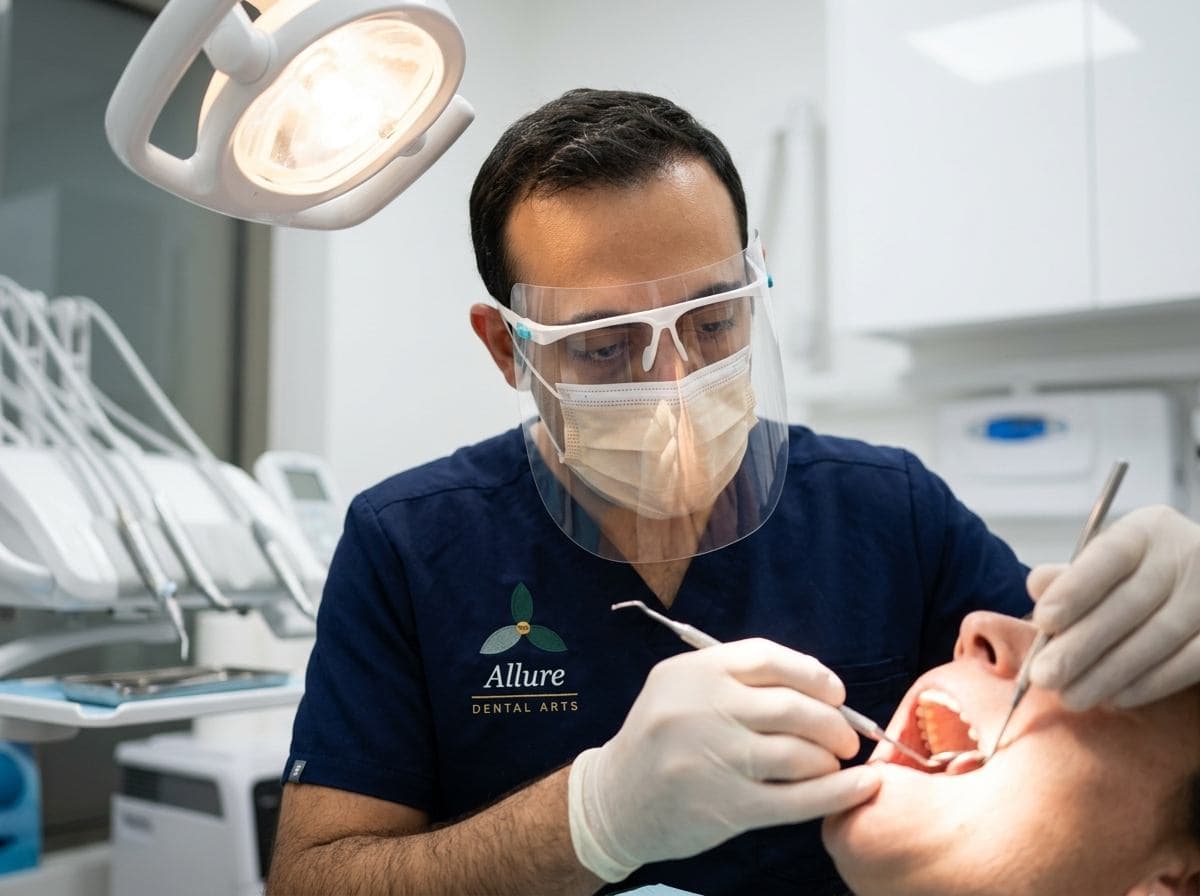
An emergency dentist in El Monte can be the difference between saving a natural tooth and facing permanent oral damage when sudden dental trauma or throbbing pain strikes. Dental emergencies rarely happen at convenient times. Whether you bite down on a hard piece of food during dinner, suffer a sports injury over the weekend, or wake up in the middle of the night with unmanageable jaw pressure, knowing how to react in the first crucial hours is essential for your health and relief.
When severe oral distress occurs, waiting days for a standard routine appointment is not a safe option. Recognizing the symptoms that demand immediate clinical intervention allows you to take swift action, protect your smile, and alleviate severe discomfort.
1. Distinguishing Between a Dental Emergency and a Routine Issue
It can be difficult to know whether your condition requires immediate attention or if it can wait a few days for a scheduled consultation. As a general rule, any situation involving uncontrollable bleeding, severe pain, physical impact trauma, or signs of spreading infection constitutes a true dental emergency.
Conditions Requiring Immediate Urgent Care
- Knocked-Out (Avulsed) Tooth: A permanent tooth that has been completely dislodged from its socket due to an accident or physical impact.
- Severe, Throbbing Toothache: Persistent, debilitating pain that radiates into the jaw, ear, or neck, often indicating a deep internal tooth infection (pulpitis) or abscess.
- Cracked or Fractured Tooth: Severe structural damage that exposes internal nerves or leaves sharp, jagged edges that cut soft tissues inside the mouth.
- Abscess or Facial Swelling: Visible swelling in the gums, cheek, or neck, often accompanied by a fever. This is a medical urgency that indicates a bacterial infection.
- Lost Crown or Filling with Pain: Exposed internal tooth structures that cause sharp sensitivity to hot, cold, or air pressure.
Non-Urgent Situations
Minor issues—such as a small chip on a front tooth without pain, a dull ache that responds well to over-the-counter relievers, or food stuck tightly between teeth—can typically be addressed during normal business hours without emergency intervention.
2. Immediate First-Aid Steps Before Reaching the Clinic
What you do in the minutes following an injury dramatically impacts the outcome of your treatment. Following these immediate first-aid protocols helps stabilize your condition while you travel to the practice:
Handling a Knocked-Out Tooth
1. Pick up the tooth by the upper crown only—never touch the root or tissue fibers.
2. Gently rinse off visible dirt with fresh water or milk; do not scrub or use soap.
3. Try to reinsert the tooth into the socket if possible. If not, place the tooth in a small container of cold milk or physiological saline solution to keep the living tissue moist.
4. Reach your local emergency care team within 30 to 60 minutes for the highest chance of successful re-implantation.
Managing Severe Pain and Swelling
Rinse your mouth with warm salt water to clean the area and kill surface bacteria. Apply a cold compress wrapped in a towel to the outside of your cheek for 15-minute intervals to reduce facial inflammation and numb sharp pain. Never place aspirin directly on the gums, as this causes chemical tissue burns.
3. How Emergency Treatment Protects Your Long-Term Health
Prompt urgent care is not just about stopping immediate pain—it is vital for preserving your underlying jawbone and natural teeth. Ignoring deep structural damage or bacterial infections leads to cascading complications:
- Stopping Bacterial Dissemination: Dental abscesses do not resolve on their own. Left untreated, bacterial infections can spread into the bloodstream, sinus cavities, or surrounding facial tissues, creating severe health risks.
- Preserving Natural Tooth Structure: Through rapid interventions like emergency root canal therapy or precision bonding, clinicians can disinfect internal canals and restore damaged enamel before an extraction becomes unavoidable.
- Preventing Complex Restorative Needs: Promptly fixing cracked teeth or lost crowns prevents underlying decay from destroying healthy tooth structure, saving you time and avoiding extensive reconstructive procedures later.
4. What to Expect During an Urgent Visit
When you arrive at an emergency-focused dental clinic, the priority is immediate diagnostic assessment and pain management.
Your visit typically follows three key stages:
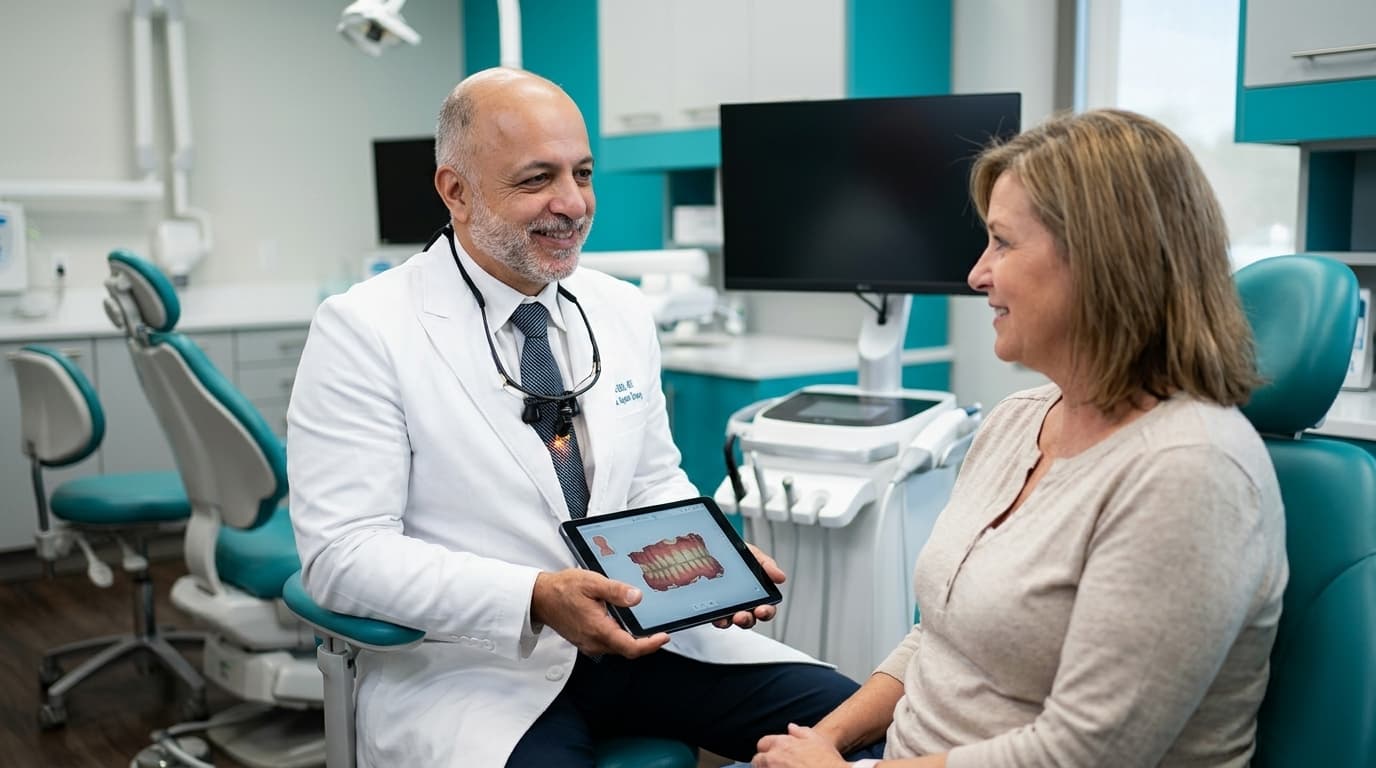
1. Targeted Digital Diagnostics: Digital X-rays or 3D imaging are taken immediately to evaluate tooth roots, bone density, and internal tissue infection without unnecessary delays.
2. Immediate Pain Relief: Local anesthetics or targeted therapeutics are administered to neutralize sharp discomfort instantly so you can relax.
3. Palliative Care or Same-Day Treatment: Depending on the condition, your doctor will either perform complete same-day treatment (such as an emergency root canal or tooth stabilization) or stabilize the area and set a structured follow-up plan.
Frequently Asked Questions (Q\&A)
What should I do if my child knocks out a primary (baby) tooth?
If a child knocks out a baby tooth, do not attempt to force it back into the socket, as this can damage the developing permanent tooth hidden beneath the surface. Keep the child calm, apply gentle pressure with a clean gauze pad if there is bleeding, and visit a pediatric-friendly dental clinic immediately to confirm that no tooth fragments remain in the gums.
Can an emergency dentist save a tooth with a severe root infection?
Yes. In many cases, a tooth with an internal nerve infection can be saved through root canal therapy. During this procedure, the doctor carefully removes the infected pulp, sanitizes the internal canals, and seals the tooth with a bio-compatible material before capping it with a protective crown.
How do I know if facial swelling is from a tooth issue or something else?
Swelling that originates near the jawline, cheeks, or under the tongue—especially when paired with tooth sensitivity, bad taste in the mouth, or pain when chewing—is almost always linked to a dental abscess or tissue infection. If swelling affects your breathing or swallowing, seek emergency medical care immediately.
What should I avoid eating or drinking if I have a broken tooth?
If you have a broken or cracked tooth, avoid hot or ice-cold beverages, as exposed nerves are extremely sensitive to thermal shifts. Avoid chewing hard foods, crunchy items, or sticky sweets. Stick to lukewarm, soft foods like yogurt, lukewarm soup, or applesauce until your doctor evaluates the damage.
Why Choose Allure Dental Arts for Emergency Care?
When sudden dental pain or trauma disrupts your day, Allure Dental Arts is equipped to provide fast, effective, and compassionate relief. Led by Dr. Farbod Youshei, DMD—a Roseman University-trained general dentist who began his career as a pharmacist—our clinic combines deep diagnostic knowledge with modern technology to address complex dental emergencies efficiently.
Whether you need urgent pain management, root canal treatment, or repair for fractured teeth, Dr. Youshei and our multi-specialty team provide clear communication, gentle care, and effective solutions to restore your health and peace of mind.
Get Immediate Dental Relief in El Monte Today!
Don't endure severe tooth pain or let a broken tooth compromise your smile. Contact our experienced emergency team right away for prompt, expert care serving El Monte and the San Gabriel Valley.
- Brand Name: Allure Dental Arts
- Address: 11233 Valley Blvd, El Monte, CA 91731
- Phone: (626) 246-1200
- Website: https://alluredentalarts.com/
This article is general dental health information and is not medical advice. Treatment recommendations depend on each patient's situation — please call us with any questions about your own care.