What to Expect During a Root Canal: A Stress-Free Guide for El Monte Patients
Allure Dental Arts
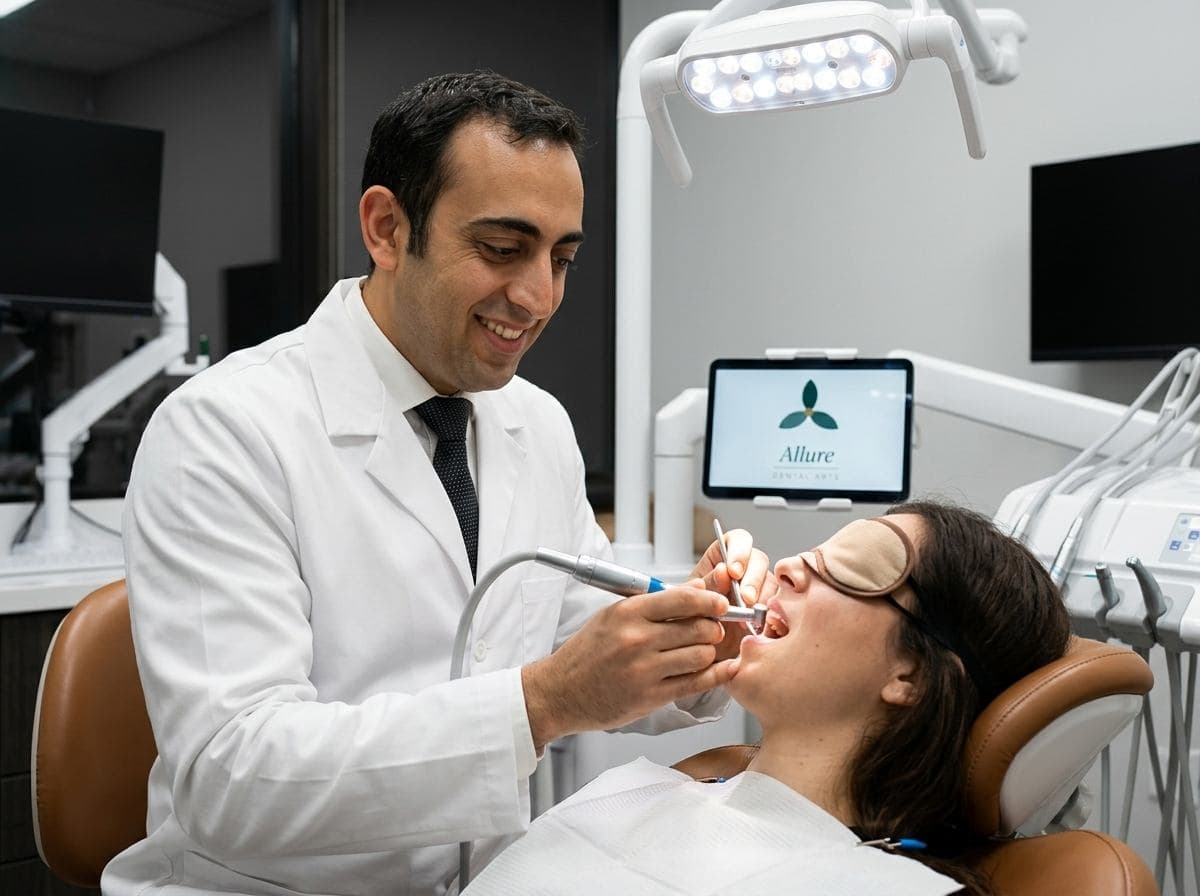
Few dental procedures are as misunderstood as the root canal. In reality, root canal therapy is a comfortable treatment that relieves pain and saves a tooth that would otherwise be lost to deep infection.
If your dentist has recommended a root canal in El Monte, this guide walks you through why it is needed, what happens during the visit, and how to recover so you can move forward with confidence.
1. Why a Root Canal Becomes Necessary
Inside every tooth is a soft core called the pulp. When decay, a crack, or trauma lets bacteria reach the pulp, it becomes infected and inflamed, causing pain and threatening the tooth.
- Common signs: Lingering sensitivity to hot or cold, pain when chewing, swelling, or a darkening tooth.
- The goal: Remove the infection, relieve pain, and preserve your natural tooth.
2. The Procedure, Step by Step
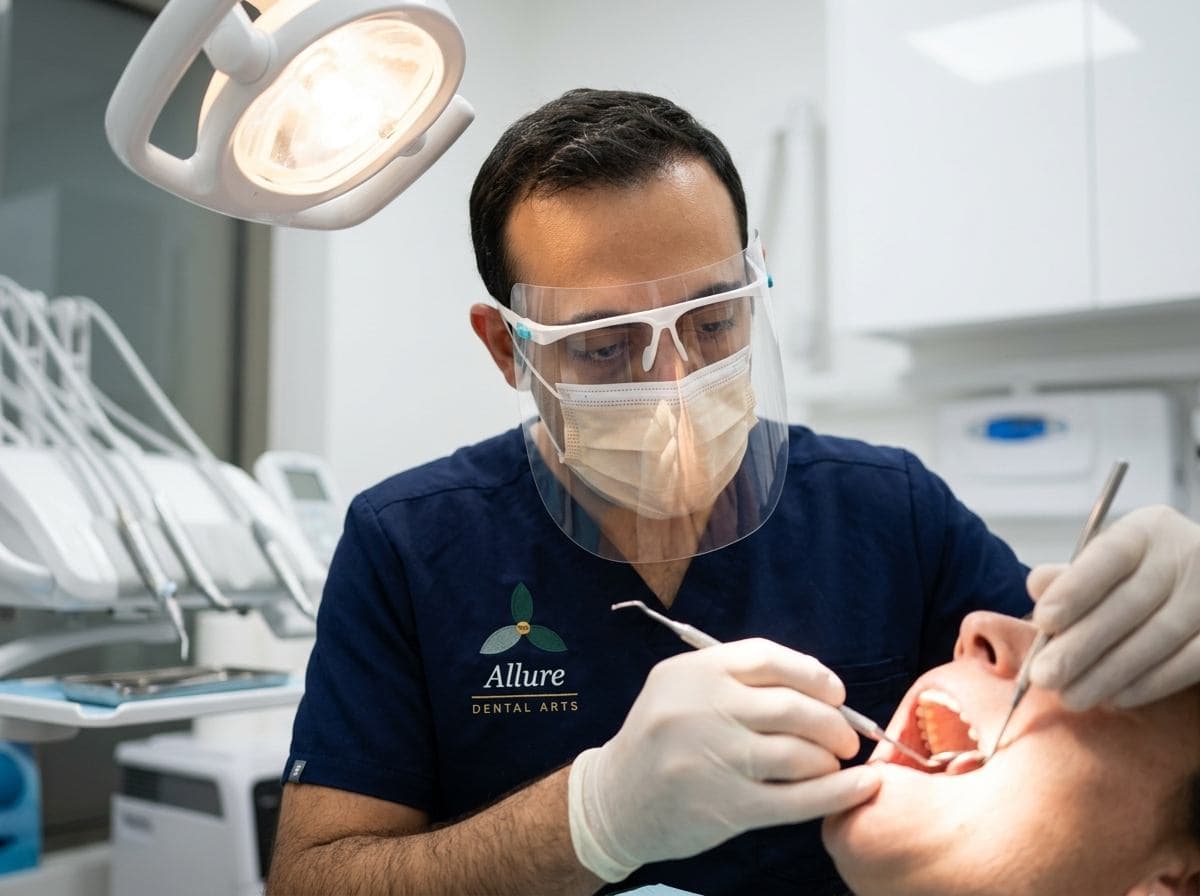
A root canal is often completed in one or two visits. The area is fully numbed, so most patients feel comfortable throughout, similar to having a filling placed.
- Numbing: Local anesthetic keeps the tooth and surrounding area comfortable.
- Cleaning: The infected pulp is removed and the inside of the tooth is disinfected.
- Sealing: The tooth is filled and sealed, and a crown is often added to restore strength.
3. Recovery and Aftercare
Recovery is usually quick and straightforward. Mild tenderness for a few days is normal as the area heals.
- First few days: Chew on the opposite side and take pain relief as directed.
- Protect the tooth: Follow through with the recommended crown to prevent future fractures.
4. What Happens If You Wait
Ignoring a tooth that needs a root canal allows the infection to spread, which can lead to an abscess, bone loss, and eventual tooth loss.
- Escalating pain: Untreated infection rarely resolves on its own and often worsens.
- Higher cost: Early treatment is usually simpler and less expensive than an extraction and replacement.
Frequently Asked Questions (Q&A)
Does a root canal hurt?
Modern root canals are performed under local anesthesia and feel similar to a routine filling. The procedure relieves the pain caused by infection rather than causing it.
How long does a root canal take?
Most root canals are completed in one or two appointments, depending on the tooth and the severity of the infection.
Will I need a crown afterward?
In many cases yes. A treated tooth can become brittle, and a crown restores strength and protects it from fracture, especially for back teeth.
Is it better to just pull the tooth?
Saving your natural tooth is almost always preferable. Extraction leads to a gap that may require an implant or bridge, which is often more involved than a root canal.
Why Choose Allure Dental Arts for Your Family's Smile?
At Allure Dental Arts, we believe every patient deserves high-quality, compassionate dental care tailored to their life. Our practice is led by Dr. Farbod Youshei, DMD, who earned his Doctor of Dental Medicine from Roseman University of Health Sciences and brings a unique pharmacy background and more than 30 years of clinical experience to every visit. As a multi-specialty group practice, we bring general, periodontic, endodontic, and pediatric care together under one roof - with a calm, whole-patient approach designed to feel comfortable and stress-free.
Whether you need a routine cleaning, cosmetic enhancements, or advanced dental implants, our team guides you with clear communication and gentle care. We are proud to serve families throughout El Monte and the surrounding San Gabriel Valley.
Take the First Step Toward a Healthier Smile Today!
Ready to experience modern, stress-free dental care for your whole family? Contact our friendly team today to schedule your comprehensive consultation with a trusted dentist who puts your health first.
- Brand Name: Allure Dental Arts
- Address: 11233 Valley Blvd, El Monte, CA 91731
- Phone: (626) 246-1200
- Website: https://alluredentalarts.com/
This article is general dental health information and is not medical advice. Treatment recommendations depend on each patient's situation — please call us with any questions about your own care.