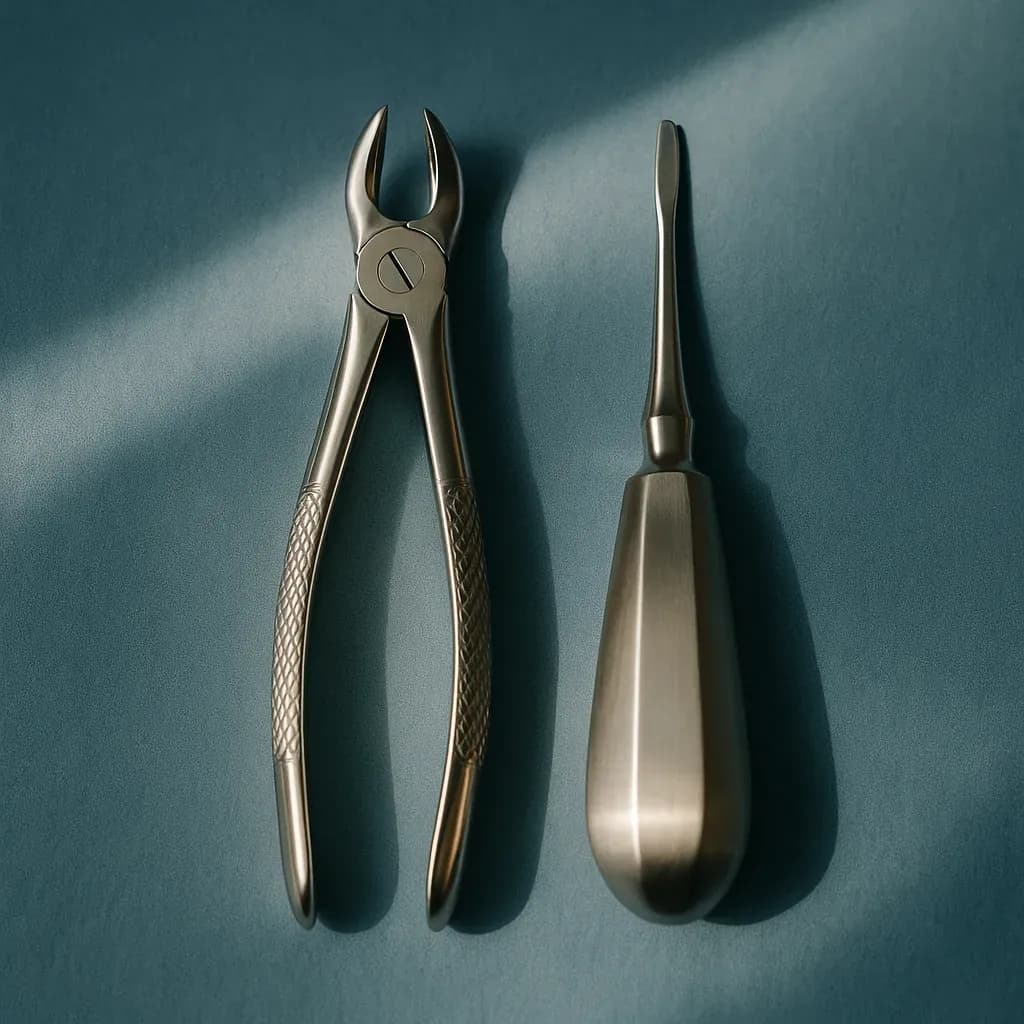
A dental implant is the closest thing to a natural tooth. It sits in your jaw like a real root, has a custom crown on top, and lets you chew, talk, and smile without thinking about it. Our implant-trained team handles the entire process — from planning to placement to the final crown — right here in our office.
What it is
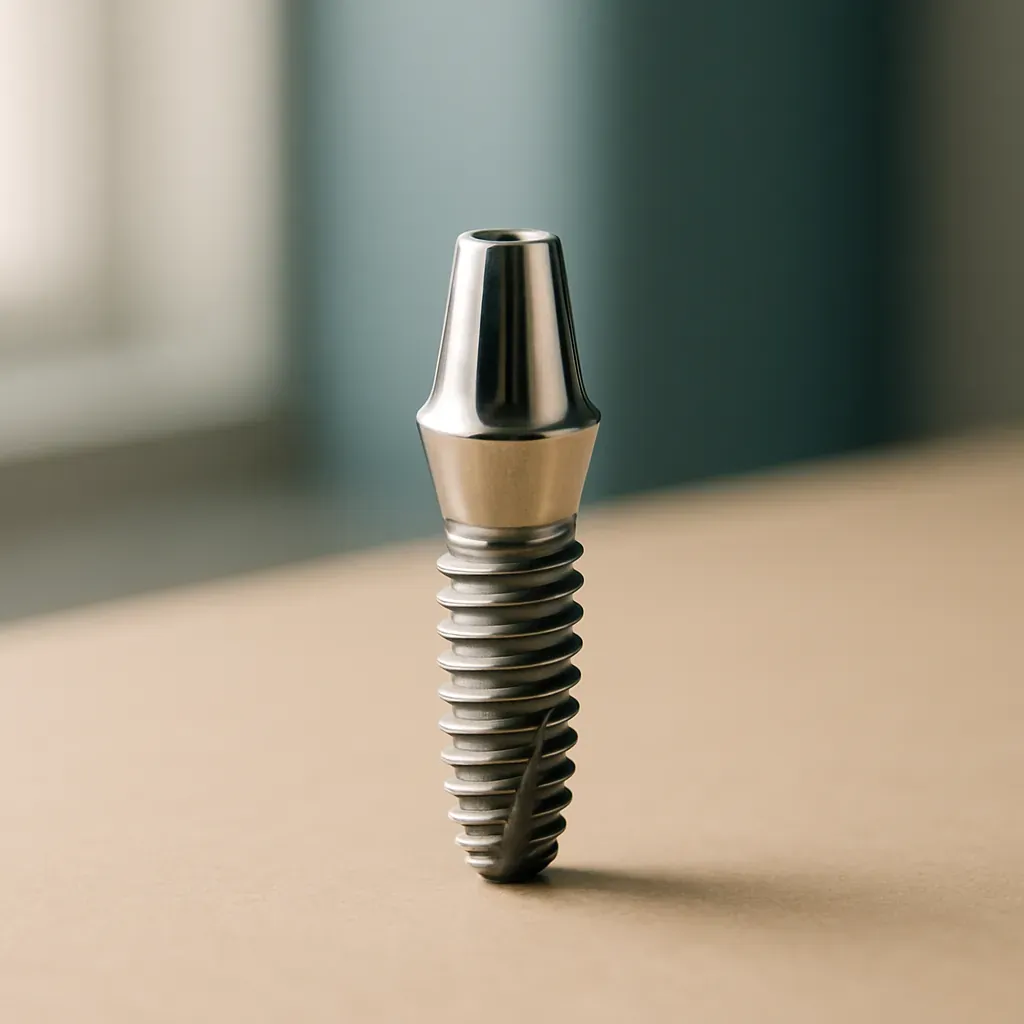
A dental implant is a small post made of medical-grade titanium that takes the place of a missing tooth root. It is placed into the jawbone, where it fuses with the bone over a few months. Once it is solid, we attach a crown to it.
Implants are used to:
- Replace a single missing tooth without affecting the teeth next to it
- Replace several missing teeth with a series of implants or an implant-supported bridge
- Anchor a full denture so it stays put (called an implant-supported denture)
- Save the bone in your jaw, which slowly shrinks when a tooth is missing
Implants are not the only way to replace missing teeth — bridges and dentures still have their place — but they are usually the longest-lasting option.
What to expect
The implant process happens in stages, with healing time between each step:
- Consult and planning — exam, 3D X-rays, and a clear plan. We talk through your specific case and what your timeline will look like.
- Implant placement — a short outpatient procedure in our office. You are numb and comfortable; many patients also choose sedation. Healing takes about three to six months while the implant fuses with the bone.
- Abutment and crown — once healed, we attach the connector (abutment) and place the custom crown. You leave with a tooth that looks, feels, and works like a natural one.
Some cases need additional steps like a bone graft if there is not enough bone to hold an implant. We will tell you up front if that applies to you and walk through what is involved.
Who it’s for
Implants may be the right choice if you:
- Are missing one or more teeth and want a long-term solution
- Have a failing tooth that needs to come out and be replaced
- Want a fixed alternative to a bridge or removable partial denture
- Have a denture that does not stay in place and you are tired of adhesives
- Are in reasonable health and have enough jawbone to support an implant (we can often build up bone if needed)
Some health conditions, medications, and habits (like heavy smoking) can affect implant healing. We will go over your medical history at your consult and tell you honestly whether implants are a good fit for you right now.
This page is general information about a common dental procedure and is not medical advice. Treatment recommendations depend on each patient's situation — please call us with any questions about your own care.