Is Dental Sedation Safe? What Patients Need to Know About Monitoring and Medical Health
Allure Dental Arts
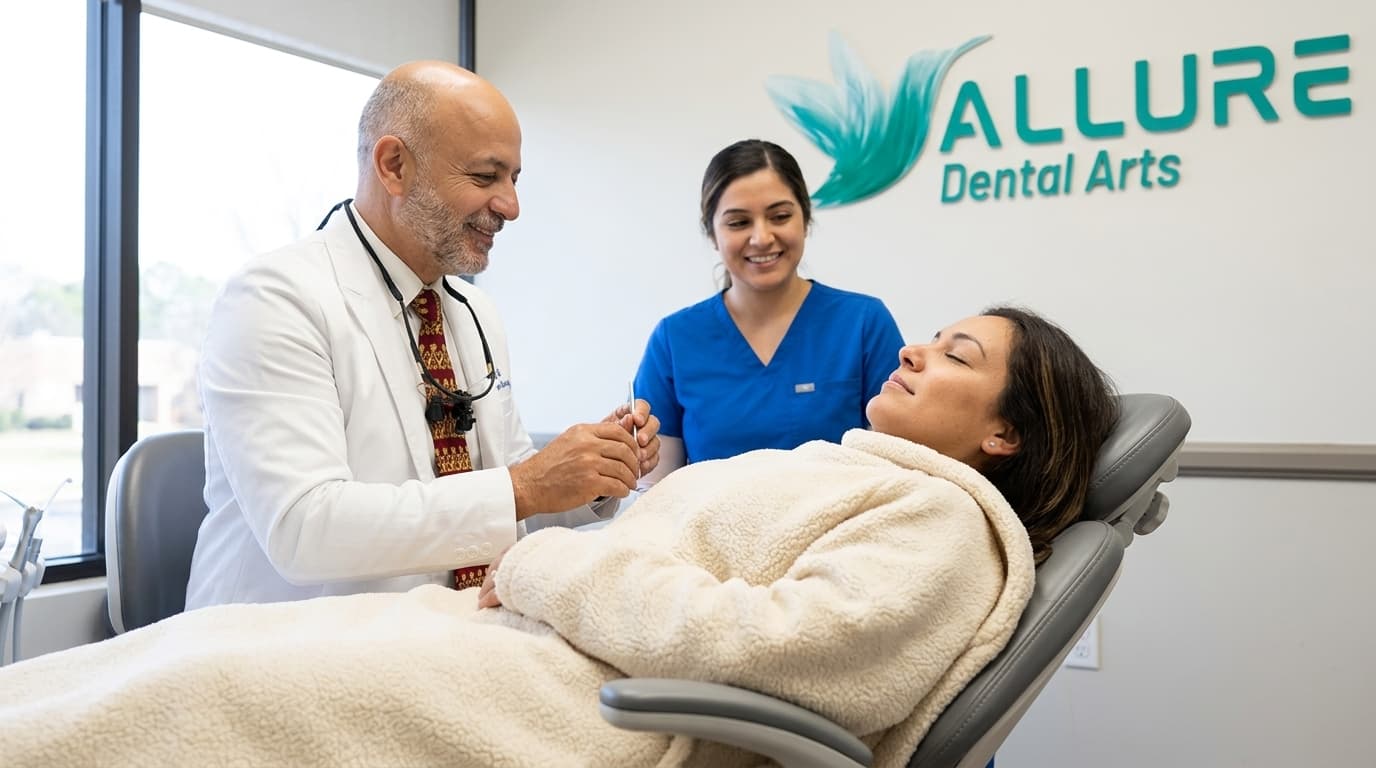
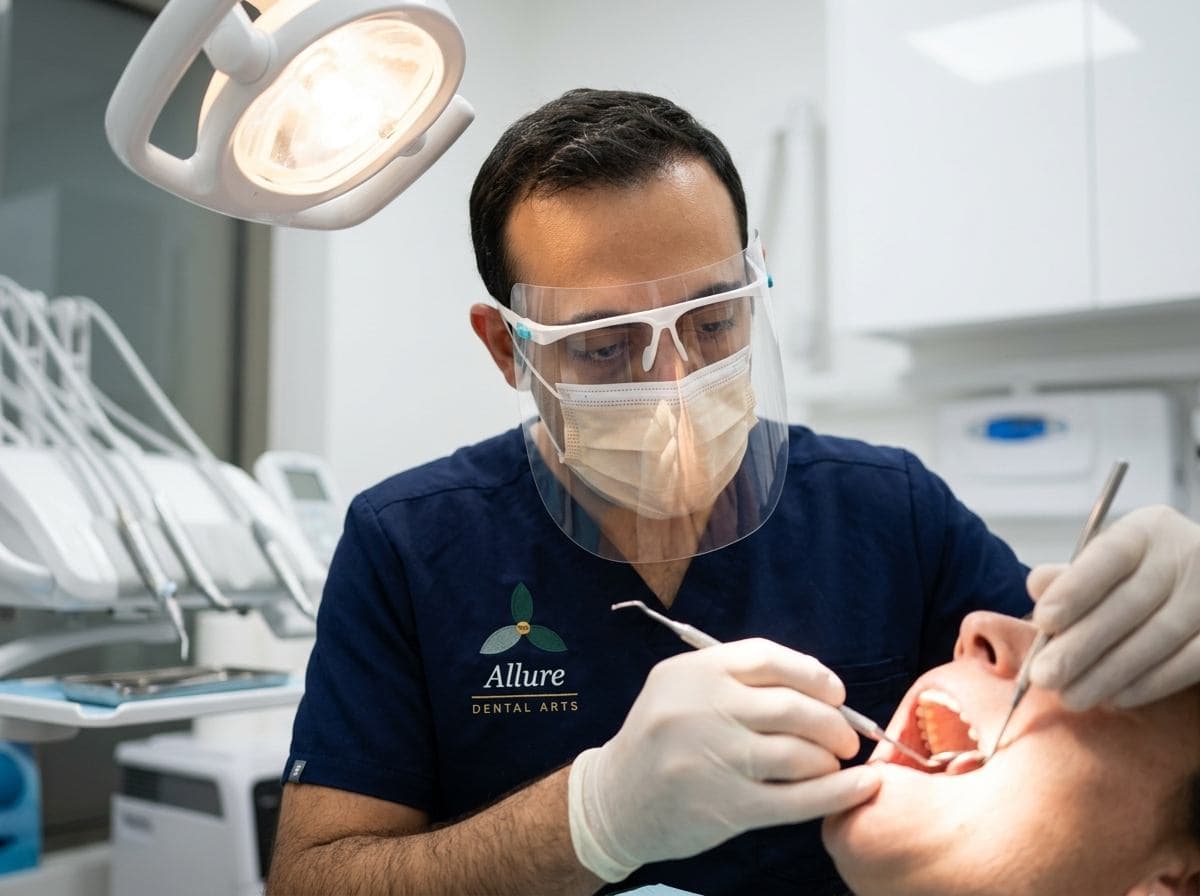
Dental sedation in El Monte provides a highly controlled, medically supervised way for individuals with severe anxiety, physical restlessness, or complex dental needs to receive essential oral healthcare without stress or physical discomfort. While the benefits of feeling completely relaxed in the dental chair are clear, many patients contemplating sedated care naturally wonder about safety. Questions regarding medication interactions, vital sign monitoring, and underlying medical conditions are common and entirely valid.
Understanding the rigorous clinical protocols, comprehensive health evaluations, and state-of-the-art monitoring systems used in modern sedation dentistry helps you feel completely confident and safe throughout your treatment journey.
1. The Safety Foundation: Pre-Treatment Health Screenings
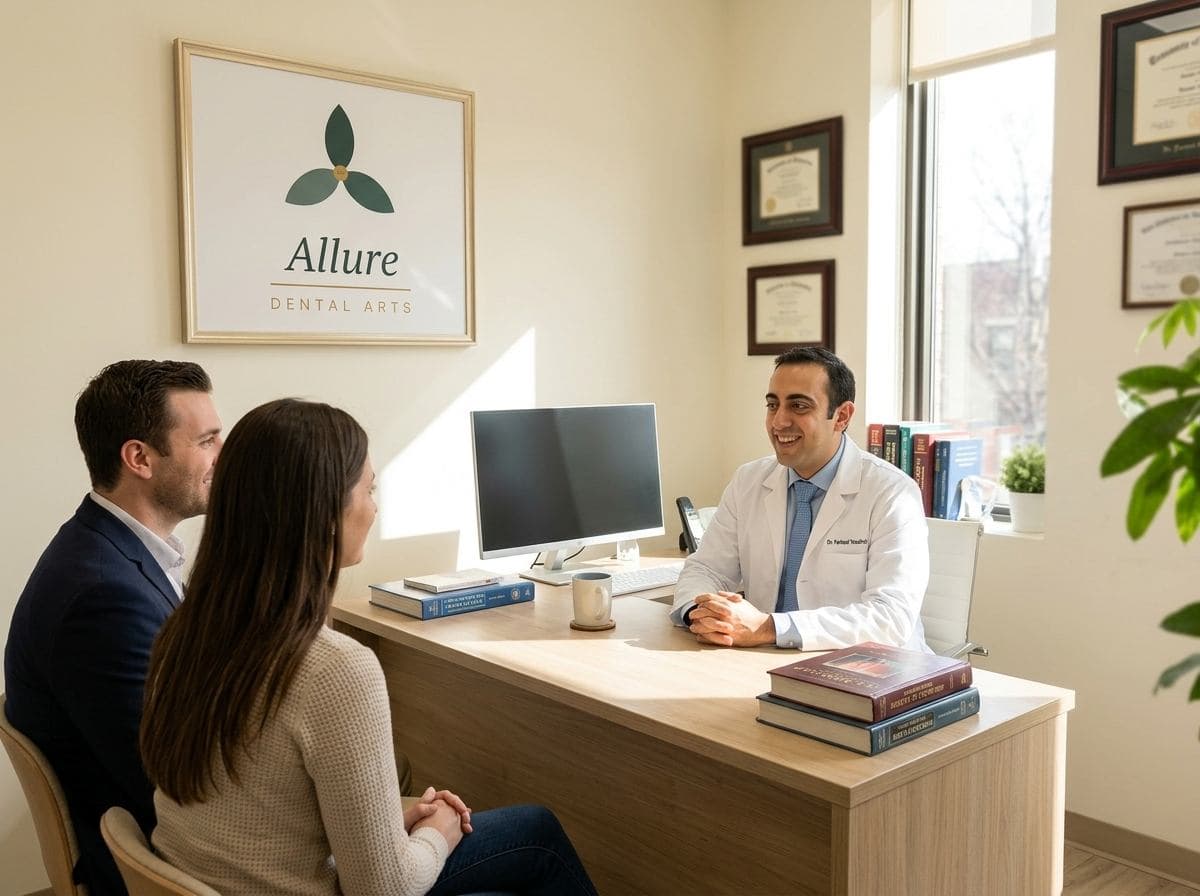
Patient safety during sedated care is established long before any medication is administered. A thorough, personalized pre-treatment health evaluation ensures that your chosen sedation plan matches your unique physiology.
Key Factors Evaluated During Screening
To determine your candidacy for dental sedation, your clinical team conducts a detailed medical assessment:
- Medical History & Chronic Conditions: Reviewing systemic conditions such as hypertension, managed diabetes, cardiovascular disease, asthma, or sleep apnea.
- Prescription & Supplement Review: Screening for potential drug interactions with daily medications, blood thinners, or over-the-counter herbal supplements.
- Physical Anatomy Screening: Evaluating airway structure, tonsil size, and neck mobility to ensure optimal breathing during relaxation.
- Previous Anesthesia Responses: Discussing any past reactions you or family members have had to sedation or general anesthesia.
This preliminary screening allows your clinician to customize dosage levels, select the safest medication formulation, and establish clear pre-procedure guidelines (such as fasting protocols) tailored to your body.
2. Continuous Real-Time Vital Sign Monitoring
During a sedated procedure, patient monitoring protocols mirror those used in modern outpatient surgical suites. Advanced diagnostic equipment continuously tracks your biological responses from start to finish, allowing your care team to make precise, real-time adjustments.
Essential Vital Signs Monitored Throughout Treatment
1. Pulse Oximetry: A non-invasive sensor placed on your fingertip continuously measures oxygen saturation levels in your bloodstream, ensuring optimal respiration.
2. Heart Rate and Rhythm (ECG): Monitors cardiovascular activity to maintain a steady, calm pulse throughout the procedure.
3. Blood Pressure Tracking: Automated cuffs measure blood pressure at regular intervals to verify stable circulation.
4. Capnography (Respiratory Monitoring): Measures carbon dioxide output with every breath to confirm consistent, healthy ventilation.
Having a dedicated clinical team member assigned solely to monitor your vital signs ensures that any subtle physiological shifts are identified and managed instantly.
3. Training, Credentials, and Safety Standards
The safety of dental sedation relies heavily on the clinical expertise and specialized training of your practitioner. State licensing boards enforce stringent requirements for clinicians authorized to administer sedation.
Practitioners must complete advanced post-doctoral training in pharmacology, emergency response protocols, airway management, and Advanced Cardiovascular Life Support (ACLS). Furthermore, clinical operatories are equipped with specialized reversal agents—medications that can rapidly counteract sedatives within seconds if needed—as well as supplemental oxygen systems and emergency kits.
4. Understanding Recovery and Post-Care Safety
Safety protocols extend beyond the clinical chair into your recovery period at home. Depending on the depth of sedation used, your team provides explicit instructions to guarantee a smooth, safe transition back to normal daily activities.
- Inhalation Sedation (Nitrous Oxide): Because oxygen flushes the gas from your lungs within 3 to 5 minutes, cognitive function and motor skills return to 100% immediately, allowing you to leave safely without assistance.
- Oral Conscious Sedation: Residual drowsiness persists for several hours. Safety guidelines require a responsible adult to escort you home, assist with movement, and monitor your recovery until the medication fully clears your system.
Frequently Asked Questions (Q\&A)
Can I receive dental sedation if I have high blood pressure or diabetes?
Yes, in most cases. Patients with well-controlled high blood pressure or diabetes routinely receive sedated dental care safely. In fact, because dental phobia causes sharp spikes in stress hormones that elevate blood pressure and blood sugar, gentle sedation helps keep vital signs stable throughout treatment. Your doctor will coordinate with your primary care physician if necessary to confirm safety.
What happens if I fall asleep during my sedated procedure?
It is very common for patients receiving oral conscious sedation to drift into a light, peaceful sleep because they feel so physically relaxed. However, because sedation is not general anesthesia, you remain in a light sleep stage where you can be easily awakened with a gentle touch or a soft spoken prompt.
Are reversal agents available if I react unexpectedly to a sedative?
Yes. Modern sedation dentistry utilizes medications with specific, fast-acting clinical reversal agents. If your doctor ever needs to discontinue or lessen the depth of sedation instantly, these counter-medications can neutralize the sedative effects within seconds.
Is dental sedation safe for older adults or seniors?
Yes. Age alone does not increase sedation risk. For senior patients, clinicians simply adjust dosages according to weight, kidney/liver clearance rates, and current prescription medications to ensure complete safety and comfort.
Why Choose Allure Dental Arts for Safe Sedation Care?
At Allure Dental Arts, patient safety and clinical excellence are the foundation of everything we do. Practice leader Dr. Farbod Youshei, DMD earned his Doctor of Dental Medicine from Roseman University of Health Sciences and began his career as a pharmacist — a background that informs his thoughtful, whole-patient approach to care.
Dr. Youshei brings highly trained precision, advanced ACLS credentials, and state-of-the-art monitoring technology to every procedure. Whether you require light nitrous oxide or moderate oral conscious dental sedation, our multi-specialty team performs comprehensive health screenings to ensure your visit is exceptionally safe, calm, and pain-free.
Schedule Your Safe, Stress-Free Consultation Today!
Ready to receive the gentle care you need with complete peace of mind? Contact our welcoming team today to schedule your personalized consultation in El Monte and the surrounding San Gabriel Valley.
- Brand Name: Allure Dental Arts
- Address: 11233 Valley Blvd, El Monte, CA 91731
- Phone: (626) 246-1200
- Website: https://alluredentalarts.com/
This article is general dental health information and is not medical advice. Treatment recommendations depend on each patient's situation — please call us with any questions about your own care.