Dental anxiety is real, and it is more common than people think. For patients who feel anxious in the chair — or who are having a longer procedure — sedation makes the visit much more comfortable. We talk through every option in plain language so you can choose what feels right for you.
What it is
Sedation dentistry uses safe, controlled medication to help you relax during your appointment. The level of sedation we recommend depends on:
- How anxious you feel about the visit
- What procedure you are having
- Your medical history and current medications
The most common options we offer are:
- Nitrous oxide (“laughing gas”) — a mild sedative breathed through a small mask. You stay awake and aware but feel much more relaxed. It wears off within minutes after we turn it off, so you can drive yourself home.
- Oral sedation — a pill taken before your visit. You stay awake but very relaxed. Many patients do not remember much of the appointment. You will need someone to drive you to and from the visit.
- Deeper sedation options — for longer surgical cases, we can discuss arrangements with a dental anesthesiologist or refer you to a colleague who specializes in this.
Local anesthesia (numbing the specific tooth or area) is separate from sedation and is used for almost every procedure. Sedation just helps with the feeling of being at the dentist — local anesthesia handles the actual numbness.
What to expect
Before any sedation visit, we go through:
- Your medical history and current medications in detail
- What sedation option fits your needs
- Pre-visit instructions (eating, drinking, who will drive you, what to wear)
- What you will feel during and after the appointment
- How long you will need to rest after the visit
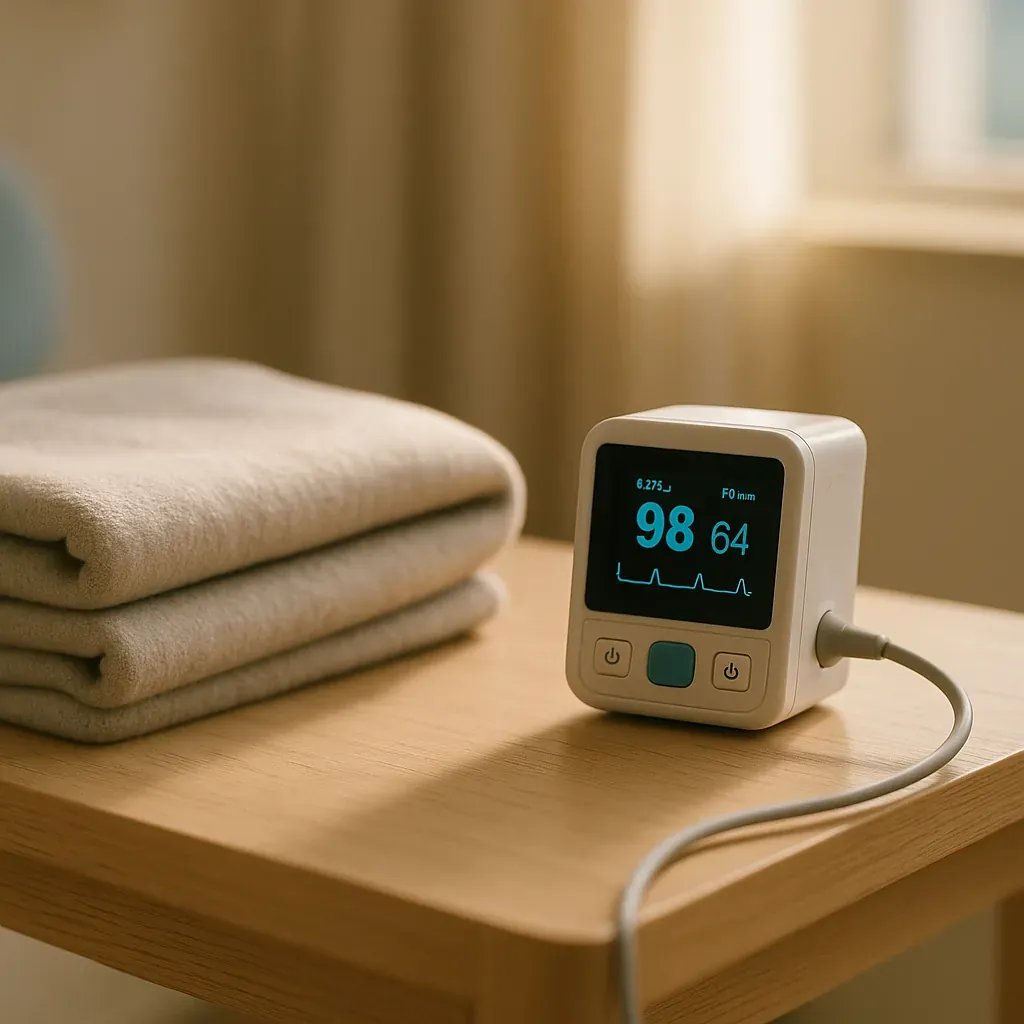
On the day of your visit, we check in with you, get the sedation started, and proceed with your dental treatment while you stay comfortable. We monitor you throughout, just like any medical procedure. After the visit, your driver will help get you home and we will follow up the next day to check in.
For nitrous oxide, you can usually go right back to your day. For oral sedation, plan on resting for the rest of the day — no driving, no important decisions.
Who it’s for
Dental sedation may be a good fit if you:
- Feel very anxious about dental visits
- Have had bad experiences in the past
- Need a longer or more complex procedure
- Have a strong gag reflex
- Have trouble sitting still in the chair
- Need several procedures done in one visit to save time
Sedation is not for everyone. Some medications, health conditions, and pregnancy may rule out certain options. We review your medical history carefully before recommending anything.
If anxiety is keeping you from coming to the dentist, please call us. We have helped many patients move past that and get back to taking care of their smile.
This page is general information about a common dental procedure and is not medical advice. Treatment recommendations depend on each patient's situation — please call us with any questions about your own care.