Porcelain Veneers vs. Composite Bonding: Which Cosmetic Dentistry Option Is Right for You?
Allure Dental Arts
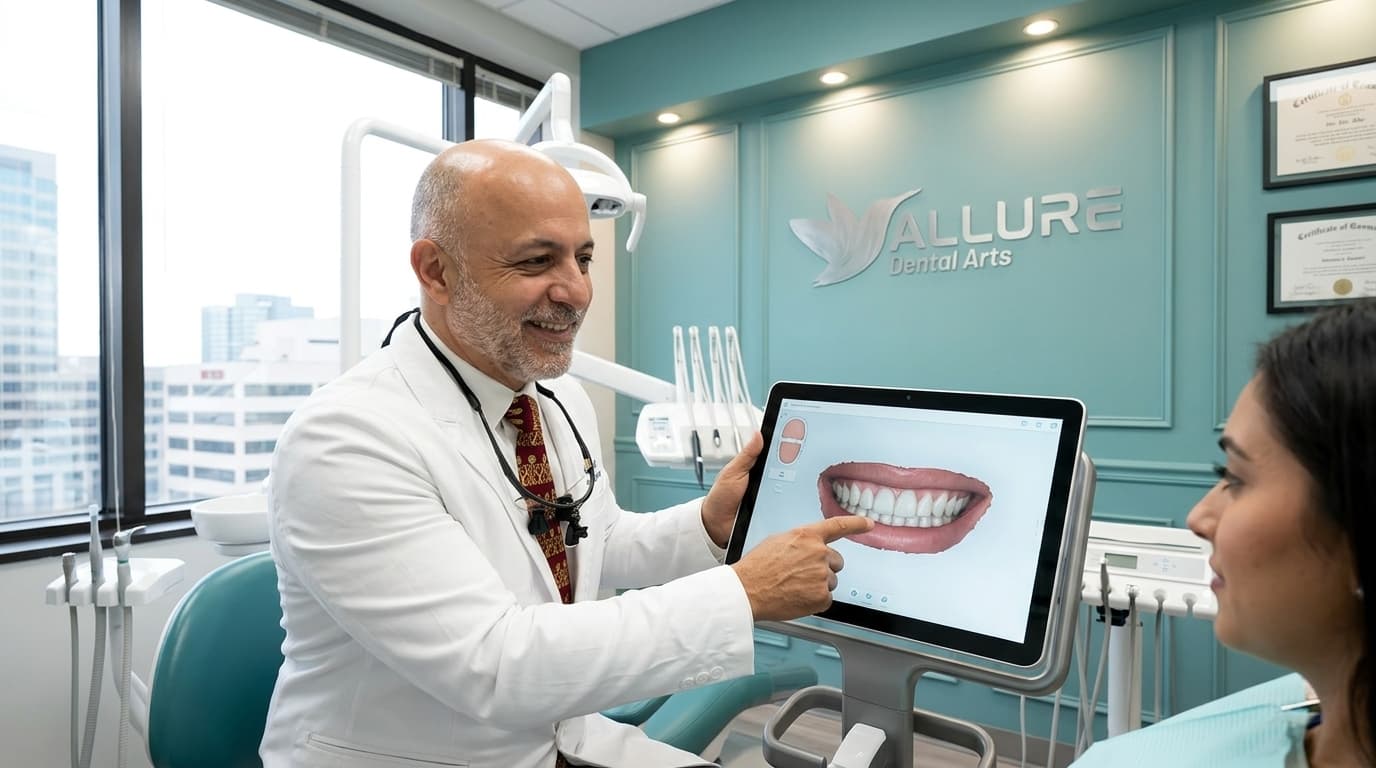
Choosing the right cosmetic dentistry procedure can feel overwhelming when you want to improve chipped, gapped, or discolored teeth without sacrificing long-term health or your personal budget. Enhancing your smile is a meaningful investment in both your self-confidence and overall well-being. Today, two of the most popular and versatile solutions available in modern aesthetic dental care are porcelain veneers and direct composite bonding.
While both procedures are designed to correct similar visual flaws, they differ significantly in terms of material composition, treatment longevity, total financial investment, and clinical preparation. Understanding the distinct differences between porcelain veneers and composite bonding allows you to make an informed choice that aligns with your lifestyle and long-term smile goals.
1. What Are Porcelain Veneers?
Porcelain veneers are custom-crafted, ultra-thin shells of high-grade dental ceramic designed to cover the front surface of your teeth. Known for their exceptional aesthetic quality, veneers are meticulously sculpted in a specialized dental laboratory to match the exact shade, translucency, and shape of your surrounding teeth.
The Treatment Process
Receiving porcelain veneers typically requires two to three appointments:
1. Initial Assessment & Design: Digital impressions, photographs, and treatment planning determine the ideal shape and shade.
2. Conservative Preparation: A micro-thin layer of natural tooth enamel (less than a millimeter) is gently smoothed down to make room for the permanent veneers. Temporary veneers are placed to protect your teeth while your custom restorations are crafted.
3. Final Bonding: Once returned from the lab, your doctor inspects the fit, color, and bite alignment before permanently bonding the ceramic shells to your natural enamel.
2. What Is Composite Bonding?
Composite bonding is a direct restoration technique where a tooth-colored composite resin material is applied directly to the surface of the tooth, sculpted into shape, and hardened using a specialized curing light.
The Treatment Process
Unlike lab-crafted restorations, composite bonding is typically completed in a single, comfortable visit:
1. Shade Matching: A dental shade guide is used to select a composite resin color that blends seamlessly with your natural teeth.
2. Minimal Preparation: The tooth surface is lightly etched to help the bonding material adhere securely; little to no natural enamel needs to be removed.
3. Sculpting & Polishing: Your clinician applies the pliable resin, artfully layers and shapes it to correct flaws, cures it instantly with a light, and polishes it to a natural sheen.
3. Key Differences: Veneers vs. Bonding
| Feature | Porcelain Veneers | Composite Bonding |
|---|---|---|
| Material | High-grade ceramic / porcelain | Tooth-colored composite resin |
| Durability & Lifespan | 10 to 20+ years with proper care | 5 to 8 years on average |
| Stain Resistance | Highly stain-resistant (smooth ceramic surface) | Moderately stain-susceptible over time |
| Number of Visits | Typically 2 to 3 appointments | Completed in a single appointment |
| Reversibility | Permanent (requires minor enamel reshaping) | Reversible (minimal to no enamel removal) |
| Investment Level | Higher initial cost; longer durability | Lower upfront cost; requires periodic touch-ups |
4. Making the Right Choice for Your Smile Goals
Selecting between these two standout cosmetic dentistry solutions comes down to your primary priorities:
- Choose Porcelain Veneers if: You want a long-lasting, dramatic transformation that resists coffee or wine stains and fixes multiple complex flaws across several teeth simultaneously.
- Choose Composite Bonding if: You have a minor chip, small gap, or slight spot discoloration on one or two teeth and want a quick, budget-friendly, single-visit repair.
During your comprehensive cosmetic dentistry evaluation, your doctor will inspect your bite mechanics, enamel thickness, and overall oral health to recommend the ideal path for your unique smile.
Frequently Asked Questions (Q\&A)
Can porcelain veneers or composite bonding stain like natural teeth?
Porcelain is a non-porous ceramic material, making it virtually impervious to everyday stains from coffee, tea, red wine, or berries. Composite resin, while highly durable and color-matched, is slightly more porous and can accumulate surface stains over several years, similar to natural enamel.
Is the procedure painful?
Both options are designed with patient comfort as a top priority. Composite bonding is non-invasive and virtually painless, rarely requiring any local anesthetic. Porcelain veneer preparation involves gentle, precise numbing to ensure you feel completely relaxed while your doctor smooths the enamel surface.
What happens if a bonded tooth chips or breaks?
If composite bonding chips, it can usually be repaired easily in a single appointment by adding and polishing new resin. If a porcelain veneer chips or breaks, the entire ceramic shell typically needs to be remanufactured by the lab and replaced by your doctor.
Can I whiten my teeth after getting veneers or bonding?
Professional whitening products only change the color of natural tooth enamel; they will not lighten ceramic porcelain or composite resin materials. If you plan to brighten your overall smile, it is recommended to complete your professional teeth whitening treatments before placing permanent restorations so your dentist can match the material to your new, brighter shade.
Why Choose Allure Dental Arts for Your Smile Transformation?
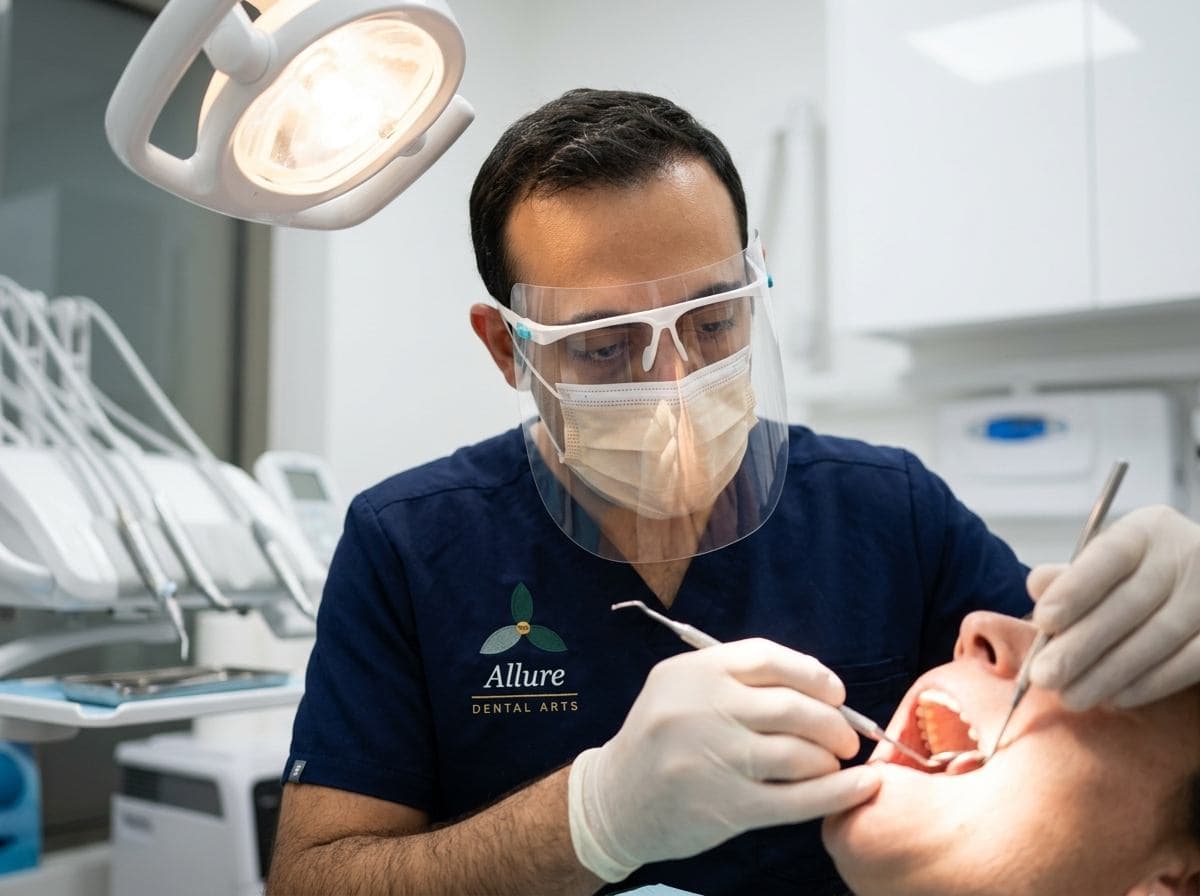
When exploring cosmetic dentistry, the skill, artistic eye, and technical experience of your clinician are paramount to achieving a natural, flawless result. Practice leader Dr. Farbod Youshei, DMD earned his Doctor of Dental Medicine from Roseman University of Health Sciences and began his career as a pharmacist — a background that informs his thoughtful, whole-patient approach to care.
At Allure Dental Arts, we blend world-class clinical expertise with state-of-the-art digital technology to design custom smile makeovers that fit your lifestyle. Whether you select porcelain veneers, composite bonding, or a combination of restorative solutions, our multi-specialty team ensures your care is completely comfortable and tailored to your vision.
Schedule Your Cosmetic Consultation Today!
Ready to find out whether porcelain veneers or composite bonding is right for you? Contact our friendly team today to schedule your personalized consultation in El Monte and the surrounding San Gabriel Valley.
- Brand Name: Allure Dental Arts
- Address: 11233 Valley Blvd, El Monte, CA 91731
- Phone: (626) 246-1200
- Website: https://alluredentalarts.com/
This article is general dental health information and is not medical advice. Treatment recommendations depend on each patient's situation — please call us with any questions about your own care.