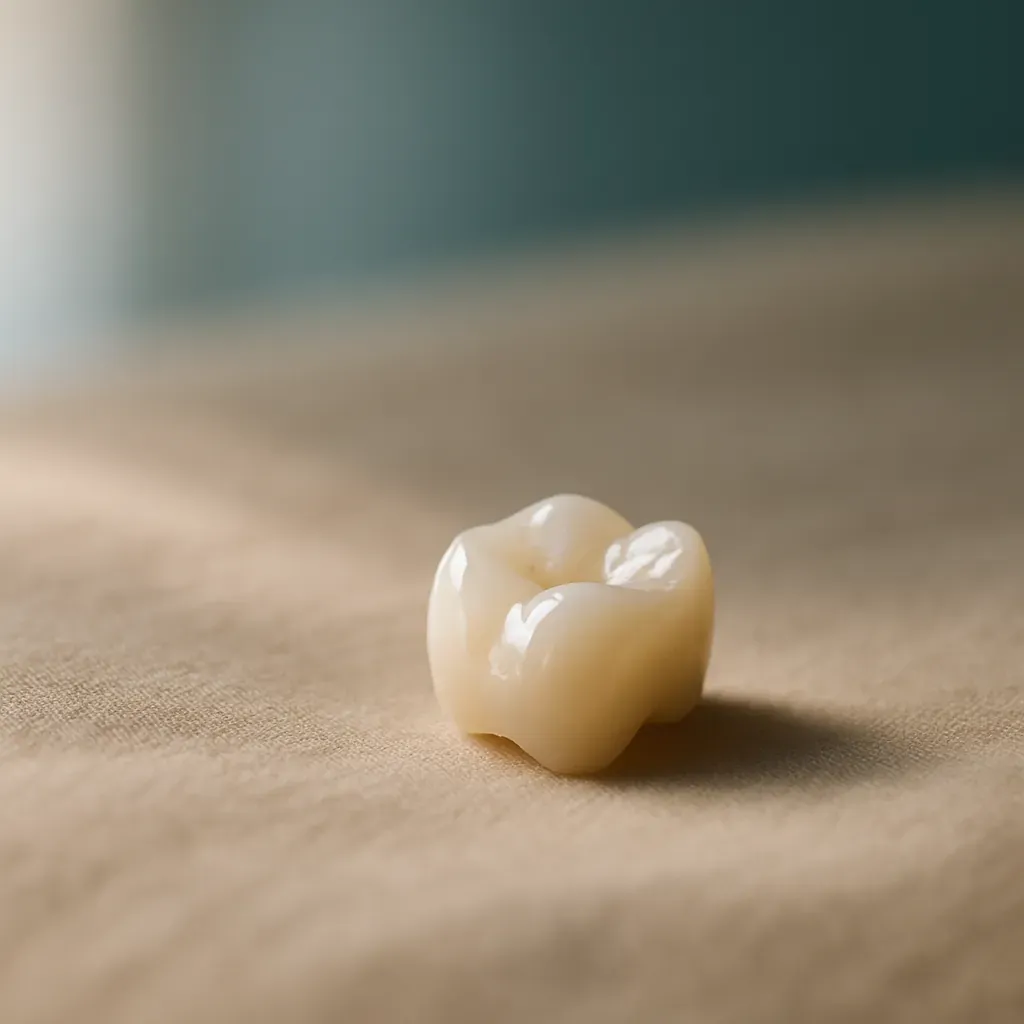
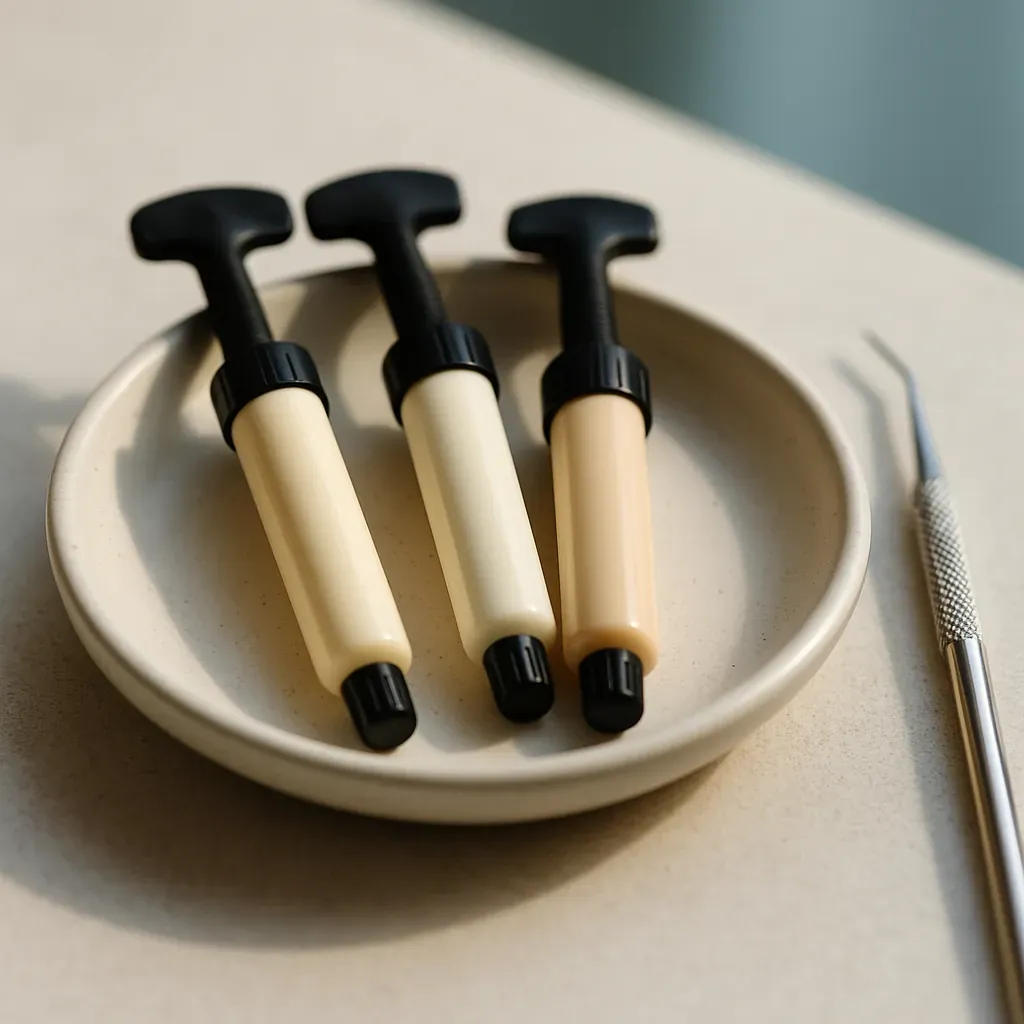
When a tooth has a cavity or a small chip, a filling restores it so the tooth can keep doing its job. Today’s fillings are tooth-colored, well-matched to your shade, and bonded to the tooth — most people cannot tell a filling is there once we are done.
What it is
A filling is a small dental restoration that replaces a damaged part of a tooth. Most of our fillings are made of composite resin, a tooth-colored material that is bonded directly to the tooth.
Composite fillings are a good fit for most front and back teeth. They:
- Match the color of your tooth
- Bond directly to the tooth structure
- Support the remaining healthy tooth
- Can usually be placed in one visit
If a filling has been in place for many years and starts to leak or break down, we will replace it. We will also use a filling to repair a small chip that is not big enough to need a crown.
What to expect
A typical filling visit takes 30 to 60 minutes for one tooth. Here is the general process:
- Your dentist numbs the area around the tooth so you are comfortable
- The decayed or damaged part of the tooth is gently removed
- The tooth is cleaned and prepared for the filling material
- The composite is placed in layers and shaped to match your bite
- A special light hardens each layer
- We polish the filling so it feels smooth when you run your tongue over it
You can usually eat right after your visit, though the numbness may last a few hours. Some teeth feel a little sensitive to cold for a day or two — that usually settles down on its own.
Who it’s for
A filling may be the right step if you:
- Have a small to medium-sized cavity
- Have a chipped tooth that does not need a crown
- Have an old metal filling that is breaking down
- Want a tooth-colored repair instead of silver
Not every cavity can be fixed with a filling. If decay is very deep, a crown or root canal may be the better long-term answer. Your dentist will explain what is going on and what your options are before we begin.
This page is general information about a common dental procedure and is not medical advice. Treatment recommendations depend on each patient's situation — please call us with any questions about your own care.