Gum disease is the most common cause of tooth loss in adults — and the most fixable when caught early. We treat gum problems at every stage in our own office, from mild gingivitis to advanced periodontitis.
What it is
Periodontal (gum) disease is an infection of the tissues that hold your teeth in place. It usually starts as gingivitis — gums that look red, feel tender, or bleed when you brush. If gingivitis is not treated, it can advance to periodontitis, where the bone around your teeth slowly breaks down. Loose teeth and tooth loss come at the late stages.
Treatment depends on how far the disease has progressed:
- Early-stage gum disease — usually treated with a deep professional cleaning and better at-home care
- Moderate gum disease — usually needs scaling and root planing (a deep cleaning under the gumline)
- Advanced gum disease — may need gum surgery, bone or tissue regeneration, or laser treatment
- Ongoing care — most patients with a history of gum disease need cleanings every three to four months to keep things stable
What to expect
Your first visit starts with a careful exam. We measure the space between your gum and each tooth, take X-rays to check the bone, and look for signs of infection. Then we sit down and walk you through what we found and what your options are.
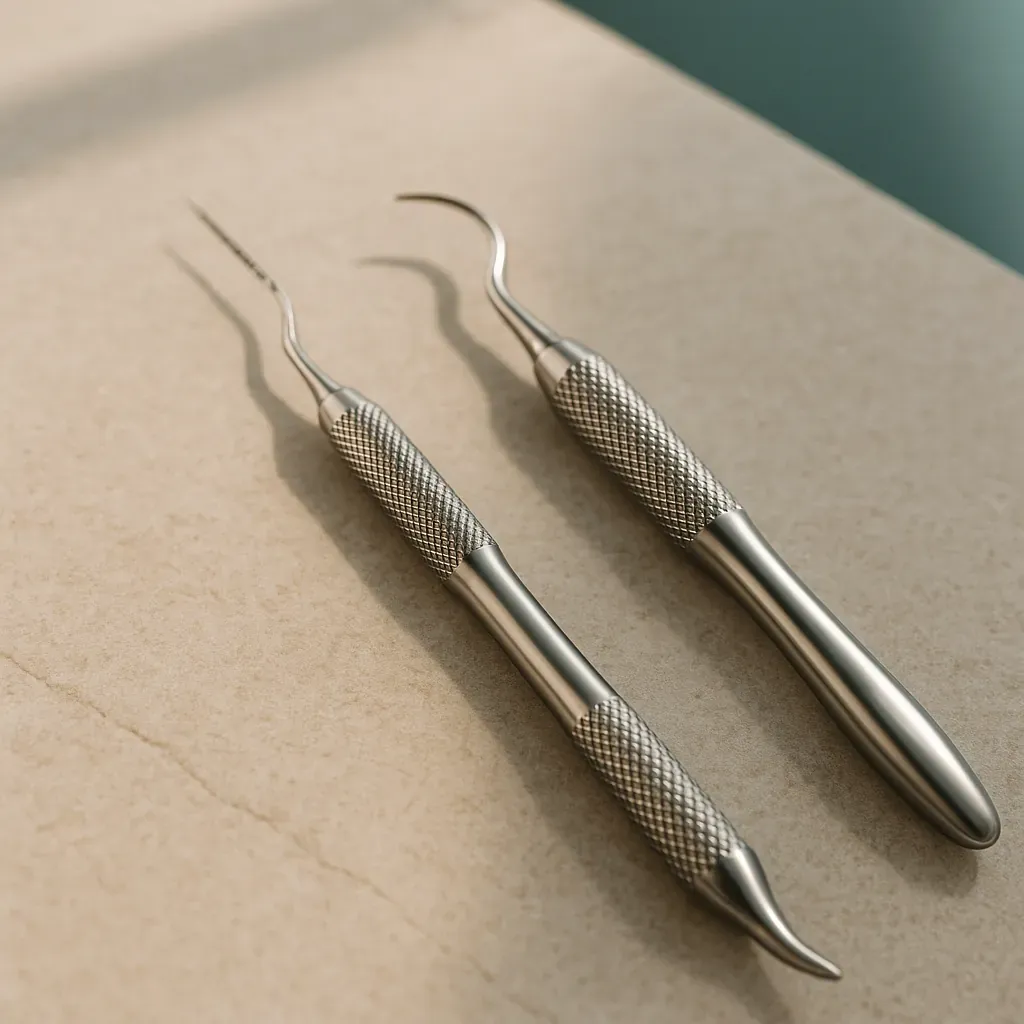
Most patients with mild-to-moderate disease start with scaling and root planing, sometimes called a “deep cleaning.” We use a numbing gel or local anesthetic so it is comfortable, then carefully clean the surfaces of the tooth roots and the spaces below the gum. You may need this done in two visits, usually one side of your mouth at a time.
If you have advanced disease, we will talk about surgical and regenerative options in plain language. Dr. Youshei will explain what you need, why, and what to expect at every step.
Who it’s for
You should ask about a gum evaluation if you have:
- Gums that bleed when you brush or floss
- Red, swollen, or tender gums
- Gums that have started to pull back from your teeth
- Bad breath or a bad taste that does not go away
- Loose teeth or teeth that shift over time
- A family history of gum disease
- Diabetes, heart disease, or other conditions that affect your gums
Gum disease is often painless until it is advanced — which is why regular exams matter. The earlier we catch it, the simpler and more comfortable the treatment is.
This page is general information about a common dental procedure and is not medical advice. Treatment recommendations depend on each patient's situation — please call us with any questions about your own care.