Orthodontics is the part of dentistry that moves teeth and corrects bites. Straight teeth are easier to clean and less likely to wear unevenly — and a good bite makes chewing more comfortable and protects your jaw joints over time. We offer orthodontic options for kids, teens, and adults.
What it is
Orthodontic treatment uses gentle, steady pressure to move teeth into a better position. We offer:
- Traditional braces — small brackets bonded to your teeth, connected by a thin wire. They work for almost every case and remain the most predictable option for complex movement.
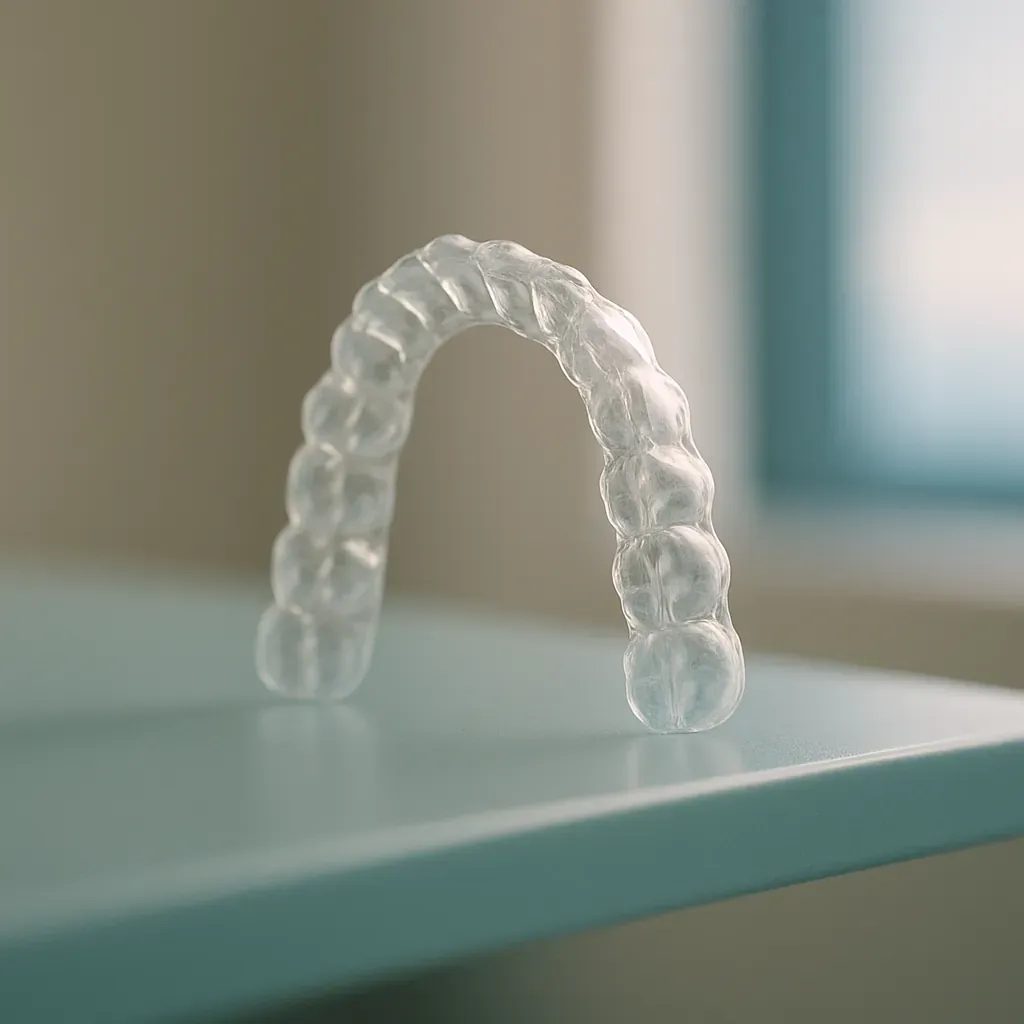
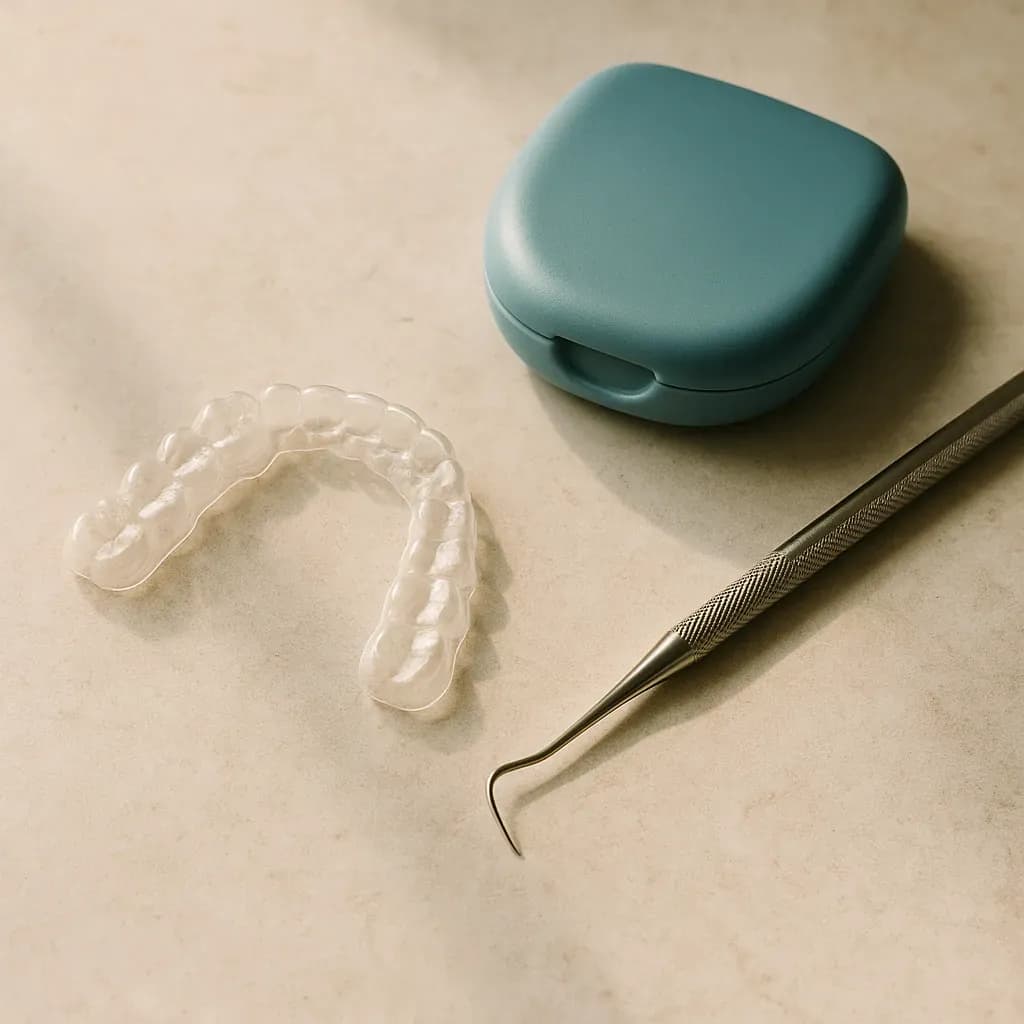
- Clear aligners (Invisalign) — a series of nearly invisible trays for mild to moderate cases (see our Invisalign / Clear Aligners page).
- Early treatment for children — a first orthodontic evaluation is recommended around age seven. Most kids do not need braces that young, but a few benefit from a small early appliance to make room for adult teeth.
- Retainers — worn after any orthodontic treatment to keep teeth in their new position. Without retainers, teeth slowly drift back.
What to expect
The first visit is usually a consultation. We examine your teeth and bite, take photos and X-rays, and talk about what you want to change. Then we lay out one to three treatment options at different time frames and price points.
Once treatment starts:
- For braces, you come in every four to eight weeks for short adjustment visits. Wires are changed, brackets are checked, and any worn parts are replaced.
- For aligners, you switch trays at home every one to two weeks and come in every six to eight weeks for progress checks.
Treatment time varies a lot — anywhere from six months for small movements to two-plus years for complex cases. We give you a realistic estimate at the consult.
After active treatment, retainers are essential. Some patients wear them only at night long-term; others wear them full-time at first. Skipping retainers is the most common reason teeth move back.
Who it’s for
Orthodontic treatment may be a good fit if you:
- Have crowded, gapped, or rotated teeth
- Notice your bite does not close evenly
- Have a child whose adult teeth are coming in crooked
- Had braces years ago and your teeth have shifted
- Are planning cosmetic work and want a straight starting point
- Have jaw or facial pain that may be related to a poor bite
Most insurance plans help cover orthodontic treatment, especially for children and teens. We will check your benefits and review financing options before you commit.
This page is general information about a common dental procedure and is not medical advice. Treatment recommendations depend on each patient's situation — please call us with any questions about your own care.