The jaw joint (TMJ) is one of the most-used joints in your body. When something is off, it can cause pain, clicking, grinding, headaches, and even ear-area discomfort. We help patients understand what is going on with their jaw and find practical ways to feel better — most without surgery.
What it is
TMD stands for temporomandibular disorder — a broad term for problems with the jaw joint or the muscles that move it. Common causes include:
- Clenching or grinding (often at night)
- Stress and poor sleep
- A bite that does not come together evenly
- Old injuries to the jaw or face
- Arthritis in the joint
- Habitually chewing gum or hard foods
Treatment depends on the cause. The most common approaches are:
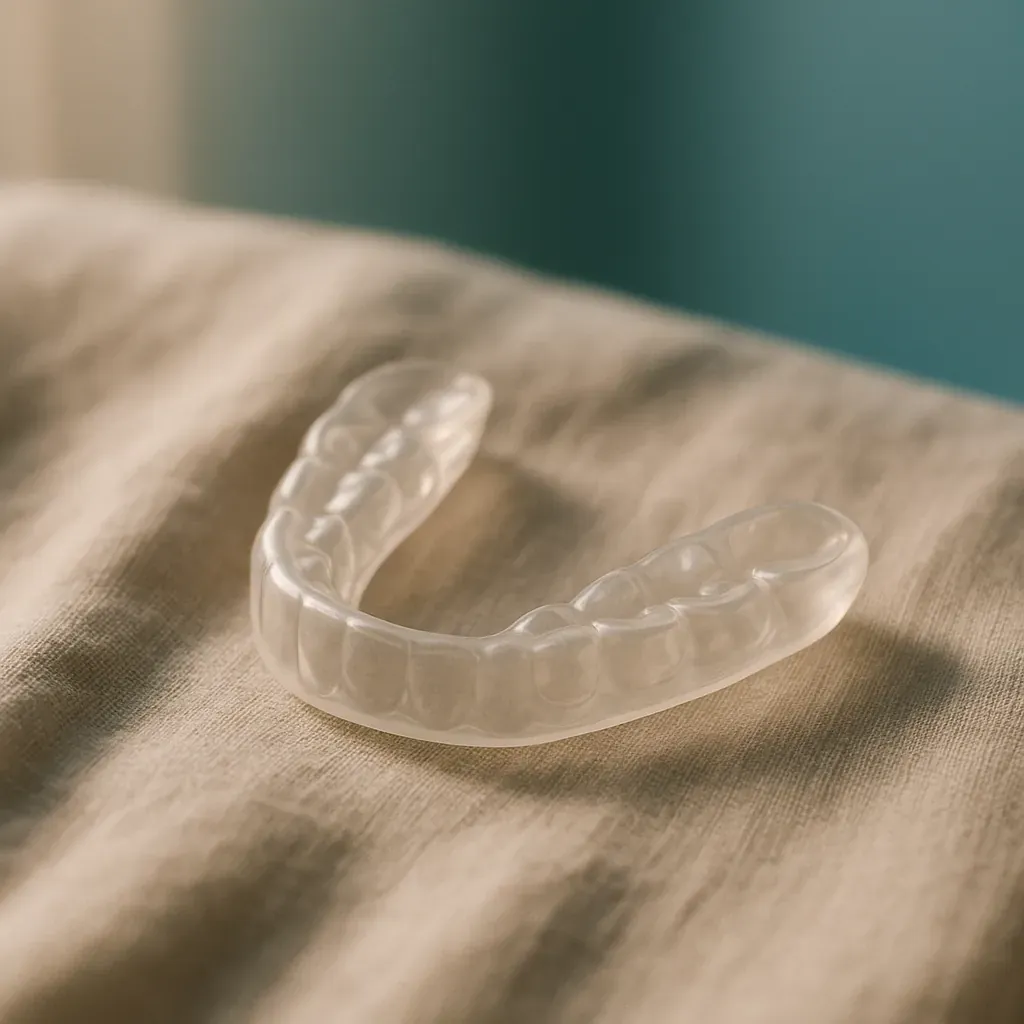
- Custom night guards to protect your teeth and reduce muscle tension while you sleep
- Bite adjustment — small, careful changes to teeth or restorations that make your bite come together evenly
- Posture, stretching, and habit changes — sometimes simple changes make a real difference
- Physical therapy referrals when muscle work would help
- Medications in some cases, usually short-term
- Surgical options for the small number of cases that need them
Most of our TMD patients feel better with a combination of a night guard and habit changes — they never need surgery.
What to expect
Your first visit focuses on listening. We ask about when the pain happens, what makes it better or worse, and what you have already tried. Then we examine your jaw joint, the muscles around it, and your bite. We may take X-rays or scans depending on what we see.
If we agree on a treatment plan, common next steps include:
- Taking impressions or scans for a custom night guard
- A follow-up to fit the guard and check how your bite feels
- A check-in a few weeks later to see how you are doing
- Adjusting the guard or trying additional steps if the first plan does not get you all the way there
We do not promise a cure for jaw pain in one visit. TMD often takes a few weeks to settle down, and some patients need ongoing care. We will be honest about what to expect.
Who it’s for
TMD treatment may be the right step if you:
- Wake up with sore jaws or a headache
- Hear or feel clicking, popping, or grinding when you open and close
- Have trouble fully opening your mouth
- Notice your teeth are wearing down or your fillings keep breaking
- Have ear pain that your doctor cannot explain
- Catch yourself clenching during the day
If you are in significant pain right now, call us at (626) 246-1200 and we will get you in soon.
This page is general information about a common dental procedure and is not medical advice. Treatment recommendations depend on each patient's situation — please call us with any questions about your own care.